South Korea-Morocco Relations
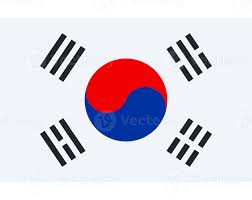
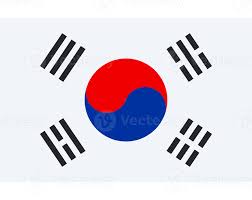
The diplomatic relationship between Morocco and South Korea: a growing alliance
Morocco and South Korea maintain diplomatic relations that, although relatively recent, have experienced growing and diversified development since their first contacts. Officially established in 1962, this bilateral relationship has evolved into a strategic partnership based on shared economic, technological, and cultural interests.
A developing economic partnership
The economy lies at the heart of cooperation between the two countries. South Korea, recognized for its technological and industrial advancements, has found in Morocco a key partner in its quest to diversify markets. Korean investments in Morocco are mainly focused on the automotive, infrastructure, and energy sectors. The Hyundai Group, for example, has established a strong presence through significant automotive projects, contributing to the modernization of Moroccan industry.
On the other hand, Morocco offers South Korea strategic access to Africa and European markets thanks to its free trade agreements. Tanger Med Port, one of the largest ports in the Mediterranean, plays a crucial role in facilitating trade between the two nations. Morocco thus positions itself as a logistics hub for Korean companies seeking to expand their influence in Africa and Europe.
Technological and industrial cooperation
Technological cooperation between the two countries is also significant. South Korea, a leader in fields such as information technology and renewable energy, shares its expertise with Morocco. Collaborations in research and development, as well as the implementation of green infrastructure projects, illustrate this cooperation. Morocco benefits from Korean technological advancements to modernize its infrastructure and develop its industrial capabilities.
Cultural and diplomatic exchanges
Diplomatic relations between Morocco and South Korea are not limited to economic and technological aspects. Cultural exchanges also play an essential role. Both nations strive to promote better mutual understanding through cultural events, art exhibitions, and educational exchanges. Moroccan students have the opportunity to study in South Korea thanks to scholarships offered by the Korean government, thereby strengthening ties between the younger generations of both countries.
In terms of diplomacy, the two nations have developed a constructive dialogue on various international issues. Morocco, as a key player in the MENA region (Middle East and North Africa), and South Korea, as an influential power in Asia, share common interests in promoting international peace and stability. Their collaboration within international organizations such as the United Nations reflects their commitment to addressing global challenges through cooperation and dialogue.
The beginnings: establishment of diplomatic relations
Diplomatic relations between Morocco and South Korea were established in 1962, a key moment in the history of both nations. At that time, Morocco had recently gained independence in 1956, while South Korea was rebuilding its economy after the Korean War (1950–1953). This post-colonial and reconstruction context encouraged openness toward new international alliances.
The first diplomatic exchanges mainly focused on formalizing relations and laying the groundwork for future cooperation. However, interactions remained limited at the time and centered primarily on general diplomatic matters and initial cultural exchanges.
1970s–1980s: first steps toward economic cooperation
During the 1970s and 1980s, relations between the two countries began to diversify, particularly in the economic field. Morocco became an important partner for South Korea in North Africa, and both countries sought to explore mutual trade opportunities.
This period saw the emergence of the first cooperation projects, including trade exchanges and investments in specific sectors. Korean companies began to take interest in investment opportunities in Morocco, particularly in infrastructure and construction materials.
1990s–2000s: consolidation and expansion of cooperation
The 1990s marked a turning point in relations between Morocco and South Korea. The end of the Cold War and the rise of globalization created a favorable environment for strengthening bilateral ties. In 1994, the two countries signed an economic cooperation agreement, laying the foundation for deeper collaboration in various fields such as trade, industry, and technology.
The early 2000s were characterized by a significant strengthening of economic and industrial cooperation. Korean investments in Morocco increased, particularly in the automotive sector, with the involvement of companies such as Hyundai and Kia. In return, Morocco saw an opportunity to benefit from advanced Korean technologies and expertise to modernize its infrastructure and diversify its economy.
2010s–2020s: a quick expanding relationship
Throughout the 2010s, relations between Morocco and South Korea continued to develop rapidly. The two countries signed several important agreements aimed at strengthening cooperation in various sectors. In 2011, a renewable energy cooperation agreement was signed, reflecting growing interest in green technologies and sustainable development.
The two nations also intensified their cultural exchanges. Morocco and South Korea organized cultural festivals, art exhibitions, and educational events to promote greater mutual understanding and strengthen ties between their citizens.
The 2020s: toward stronger cooperation
The 2020s marked a period of continued consolidation and expansion of bilateral relations. In 2021, the two countries celebrated the 60th anniversary of the establishment of diplomatic relations through events and statements reaffirming their commitment to close cooperation.
The COVID-19 pandemic also served as a catalyst for increased cooperation, with joint initiatives in combating the pandemic and projects aimed at strengthening the resilience of healthcare systems.